Bayleaf Care offers high-quality therapeutic residential care for vulnerable children and young people who have experienced trauma in their formative years, from 5-17 years of age.
Our bespoke, high-grade therapeutic homes in the local community achieve this. The structure and practices in our therapeutic milieu are designed to meet the needs of children who are not able to manage or be managed within a family environment, whether this be birth or foster care. At the same time, they are children who require therapeutic care and intervention whose emotional age and vulnerability would make their placement in a larger, traditional children’s home unsuitable and inappropriate.
Every day at Bayleaf Care is a therapeutic journey for a child. We place a strong emphasis on understanding the child’s behaviours and the importance of routines and structure, which serve as the significant pillars of relationships with others, providing a sense of predictability and stability.
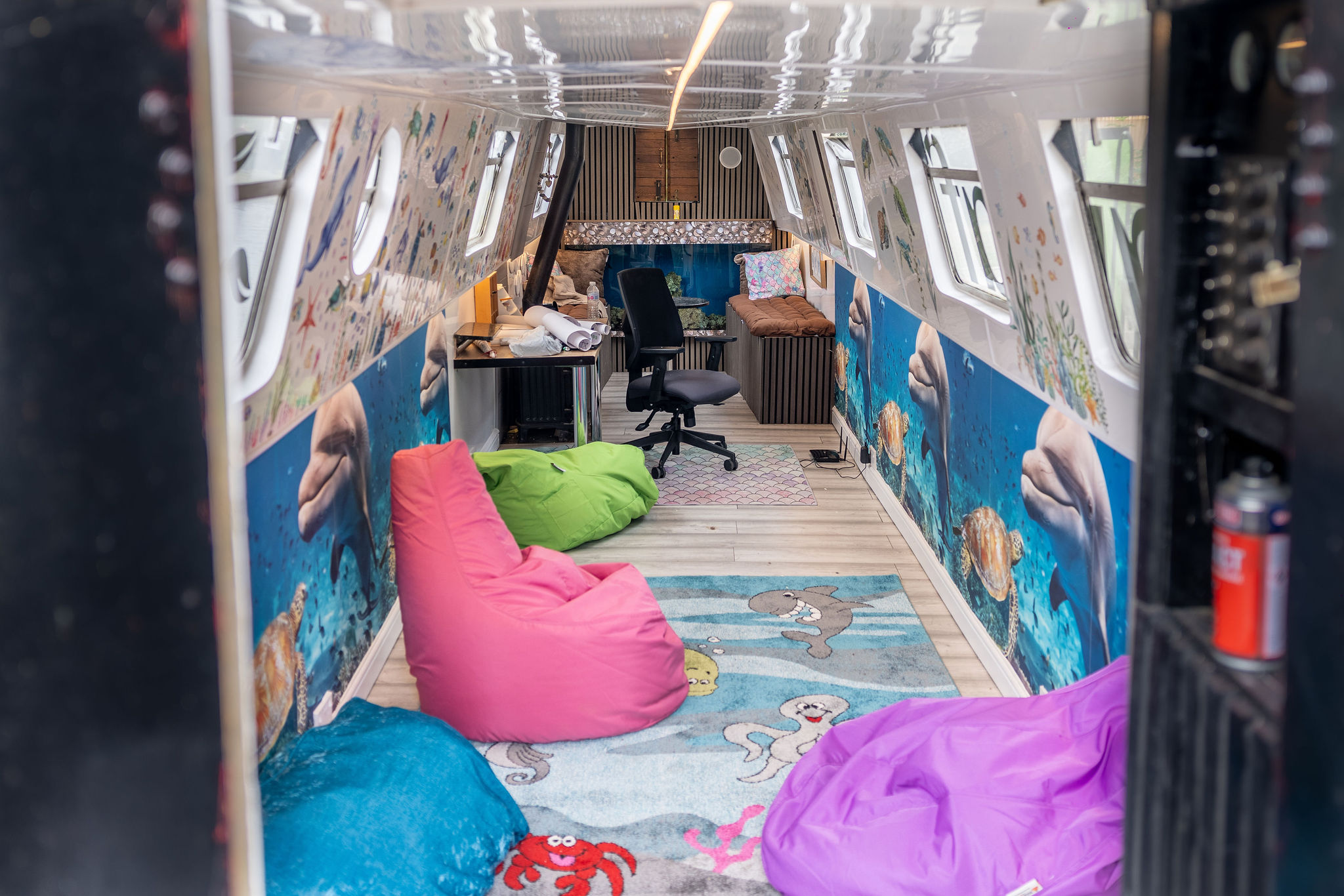
In our homes, we view a collective gathering as necessary; this includes children’s meetings and mealtimes. Each day is thought about and planned for the child to give them opportunities to establish trust, share their feelings, form relationships, communicate appropriately, and experience a feeling of being cared for. Over time, all children are supported to develop a sense of belonging and are assisted to develop their potential and sense of optimism, which have often been eradicated because of their difficult experiences
All the children in Bayleaf Care receive an intensive support package provided by experienced and trained therapeutic staff members. A psychotherapist is based in each of our homes, and the therapeutic approach employed by the staff members in each home is the therapeutic parenting approach of PACE
Bayleaf Care links the child’s need for a well-planned, professionally staffed, structured, supervised environment and their need for a safe, nurturing, family-sized therapeutic experience. By providing a highly structured therapeutic milieu that is conducive to each child’s individual needs, we help the children achieve a greater understanding of their inner selves, their view of the world external to themselves, and their past relationships and experiences.

Lead Therapist
Ben is an HCPC-registered Music Therapist and serves as the Lead Therapist at
Bayleaf. With a practice grounded in evidence-based clinical interventions, Ben
provides essential therapeutic support for individuals with complex needs, ensuring
that every session aligns with broader health and social care objectives.
Ben specialises in sensory regulation and the support of neurological and
psychological goals. For many individuals referred to Bayleaf, traditional verbal
therapies can be inaccessible or counter-productive. Ben often utilises music as a
non-verbal, evidence-based medium to help clients regulate their nervous systems,
reduce anxiety, and improve emotional resilience. This functional approach is
particularly effective for those with neurodivergent profiles, complex learning
disabilities, or those recovering from trauma, as it provides a structured yet flexible
environment for physiological and emotional stabilisation.
Ben’s work is deeply integrated into the Bayleaf multidisciplinary framework. He
understands that for a placement to be successful, therapy must be outcome
oriented. He focuses on measurable progress, ensuring that music therapy is not an
isolated activity but a core component of a client’s holistic development. His
interventions are designed to enhance functional communication skills, cognitive
processing, and social integration.

Psychotherapist
Asad works alongside the residential team at Bayleaf to provide daily support for
young people. He uses trauma-informed care approaches to deliver attuned care
tailored for individual requirements. He focuses on assisting residents as they work
towards person-centred goals that reflect their developmental and emotional needs.
He recognises that work within the LD setting requires consistent scaffolding to
develop trust. By embedding intervention targets into daily routines and activities, he
promotes emotional regulation and a sense of safety.
Asad uses the predictability of the residential care setting to reinforce therapeutic
targets. He translates clinical goals into the daily environment through a structured
routine. He uses observations as opportunities to build rapport with young people
and relays these observations to the wider multidisciplinary team to engage in
reflective practice, ensure meaningful progress, and promote advocacy. By working
within the pACE framework, Asad approaches each young person with curiosity and
acceptance, fostering a nurturing environment where understanding is prioritised.

Art Psychotherapist
Hana is an HCPC-registered Art Psychotherapist specialising in therapeutic work with
looked-after children and young people who have experienced complex trauma. She
holds advanced training in integrative attachment therapy and dynamic dyadic
psychotherapy, and brings specialist knowledge of trauma, neurodiversity, and
developmental attachment theory to her clinical practice.
Hana uses artmaking as a relational tool to help children regulate, process difficult
emotions, and develop selfawareness and coping skills. She works directly with
children and collaboratively with carers and multidisciplinary teams to embed
therapeutic thinking throughout Bayleaf Care using a PACE approach, creating
environments that are playful, accepting, curious, and empathic. Her traumainformed
interventions are tailored to each child’s sensory, cognitive, and attachment needs.

Dance Movement Psychotherapist
Androniki is an accredited ADMP Dance Movement Psychotherapist working at Bayleaf Care. She holds an MA in Dance Movement Psychotherapy from
the University of Derby and provides therapeutic support for children and young people with complex emotional, behavioural, developmental, and
neurodivergent needs.
Working from an integrative and humanistic framework, Androniki incorporates
somatic experience, movement, creative play, and expressive arts into her practice to support emotional regulation, self-awareness, communication, and resilience. Her therapeutic approach is particularly beneficial for children who may struggle to process experiences verbally, including those affected by trauma, ASD, ADHD,
anxiety, low self-esteem, and attachment-related difficulties.
Androniki places strong importance on creating safe, attuned, and developmentally
appropriate therapeutic environments where young people can explore emotions and build meaningful connections through embodied and creative expression. Her work is closely integrated within multidisciplinary care, with interventions tailored to
support each child’s individual therapeutic goals and overall wellbeing.
Alongside her role at Bayleaf Care, Androniki has experience across community,
educational, and therapeutic settings in both the UK and Cyprus.